15 Days / 14 Nights Most of Jordan Plus
Tour Itinerary:
Day 1: Arrival
Meets and assist at Queen Alia Airport, assist with visa formalities, transfer to Amman, check in at your hotel.
Dinner and overnight.
Day 2: Amman - Umm Qais - Ajloun Castle - Jerash - Amman
After breakfast, transfer to Umm Qais, built mainly out of black basalt, and enjoy the impressive view over Lake Tiberias and the Golan Heights.
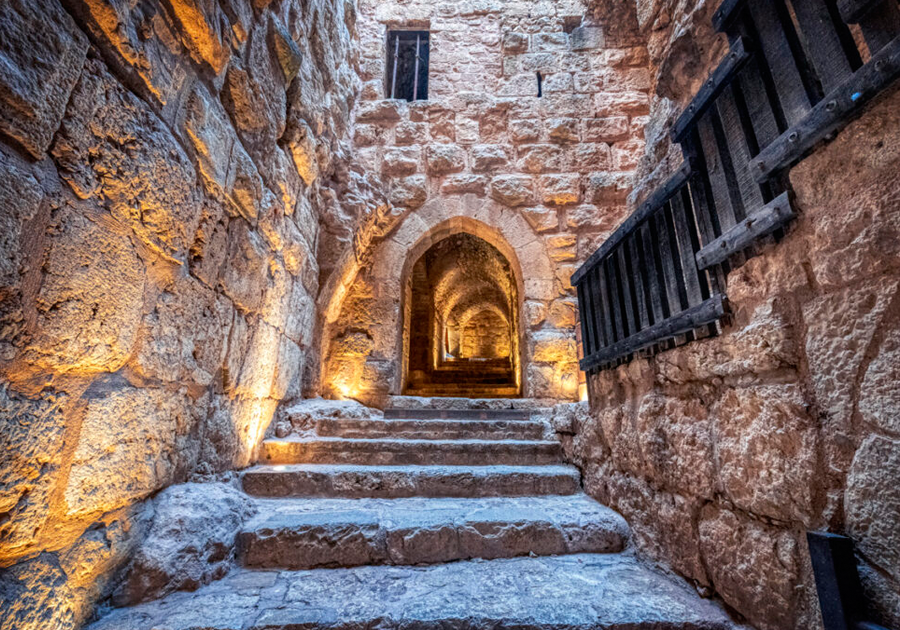
Drive to Rabad Castle (Ajloun Castle) to visit the Islamic military castle of Ajloun, used by the Islamic armies of Saladin to protect the region against the Crusaders.
Continue to Jerash, the “Pompei of the East”. Enter through the monumental South Gate and explore a Roman city, including the Oval Plaza surrounded by colonnades, the Roman theatre, and Byzantine churches with mosaic-covered floors.
Stroll along Jerash’s main road (the Cardo) and pass by the Nymphaeum. Jerash remained covered by sand for centuries, which helped preserve it remarkably well.
Experience the theatre’s marvellous acoustics and see how the Romans built earthquake-proof columns along the colonnaded streets.
Evening return to Amman, enjoy the night highlights of the capital, dinner at your hotel or at a nice restaurant, and overnight.
Day 3: Amman - Desert Castles - Amman
Breakfast and transfer to the east of Jordan. The Romans built a chain of fortresses along the “limes arabicus”, and many castles still visible today were later built by the Umayyads, decorated with mosaics, frescoes, carvings, and illustrations.
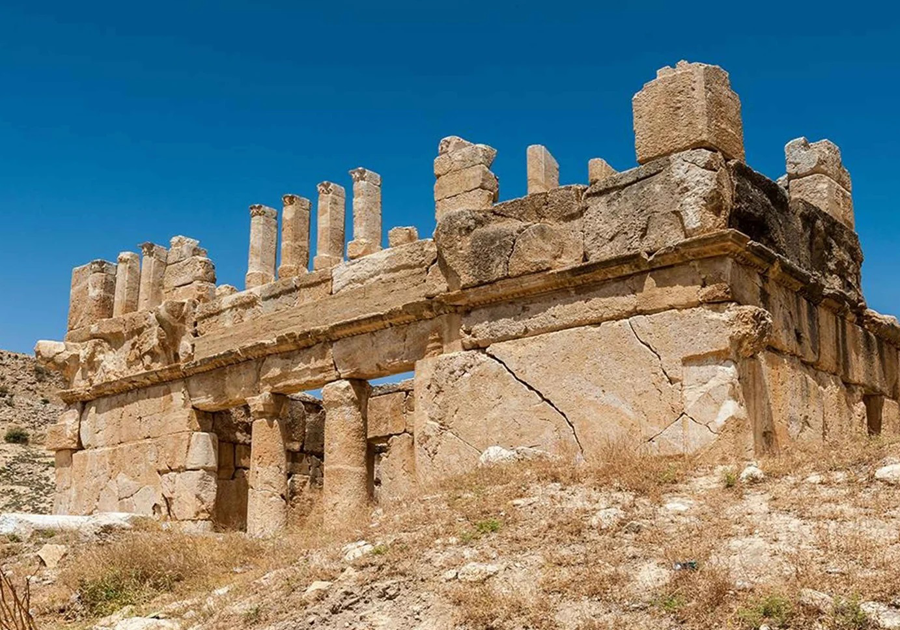
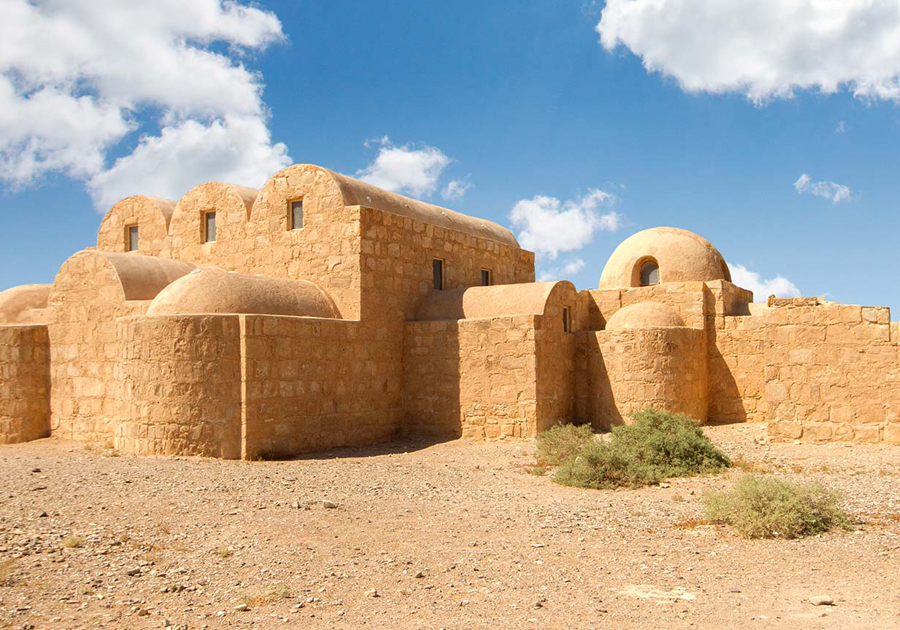
Visit three of the best-preserved desert castles. Qasr al-Mushatta is the largest and most richly decorated Umayyad castle in Jordan, a large square fortress surrounded by walls with circular towers.
Qusayr Amra is UNESCO-listed, with interior walls and ceilings covered with lively frescoes, and rooms paved with colourful mosaics.
Qasr al-Azraq is built in black basalt and has been in continuous use since Roman times; during the Arab Revolt it served as the headquarters of Lawrence of Arabia.
Late afternoon transfer to the Azraq Oasis to see the highlights of the oasis, then return to your hotel in Amman.
Dinner and overnight.
Day 4: Amman - Madaba - Mt. Nebo
Breakfast at the hotel, then transfer to Madaba to visit the famous mosaic map of Jerusalem and the Holy Land.
Continue to Mount Nebo, where you can overlook the Holy Land and the Dead Sea. If the sky is clear, Jerusalem, Jericho, and Bethlehem may be visible.
Overnight in Madaba.
Day 5: Madaba - Kerak - Dana
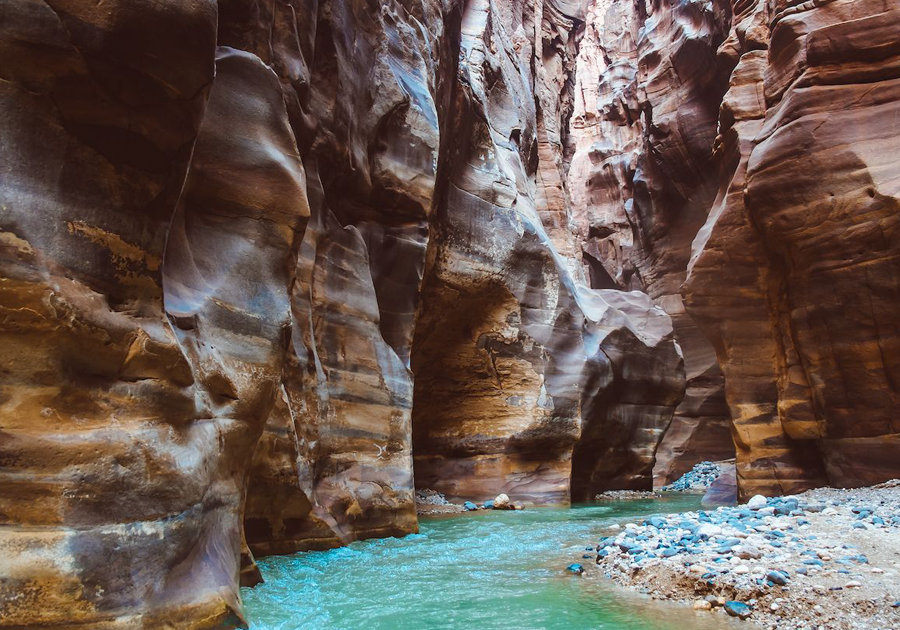
Breakfast and drive via the Grand Canyon of Wadi al Mujib, with a photo stop for Black Irises by the roadside, where local birds may be seen.
Continue to Karak with an optional lunch stop, then visit the huge castle where Saladin and Richard the Lionheart fought during the Crusades.
Drive to Dana Village, a peaceful stone village with origins in the 15th century, ideal for walking and relaxing.
Visit the Dana Nature Shop at the Visitors Centre for pottery and silverware made by local women, and explore trails along the border of Dana Nature Reserve.
Overnight in Dana Village.
Day 6: Dana - Shobak Castle - Little Petra - Petra
This morning, visit Shobak Castle (Mont Realis/Montreal), constructed in 1115 CE by Baldwin I and part of the chain of Crusader fortresses across Jordan. At its height, Shobak was home to about 6,000 Christians and withstood multiple assaults by Salah Eddin (Saladin) before falling in 1189; it was later restored by the Mamluks in the 14th century.
Drive down to Namalh Road for magnificent views over Wadi Araba (the border between Jordan and Israel).
Continue south to explore “el Beidha” (Little Petra) and see a settlement dating back around 8,500 years, evidence of early herders experimenting with agriculture.
Transfer to your hotel in Petra and overnight.
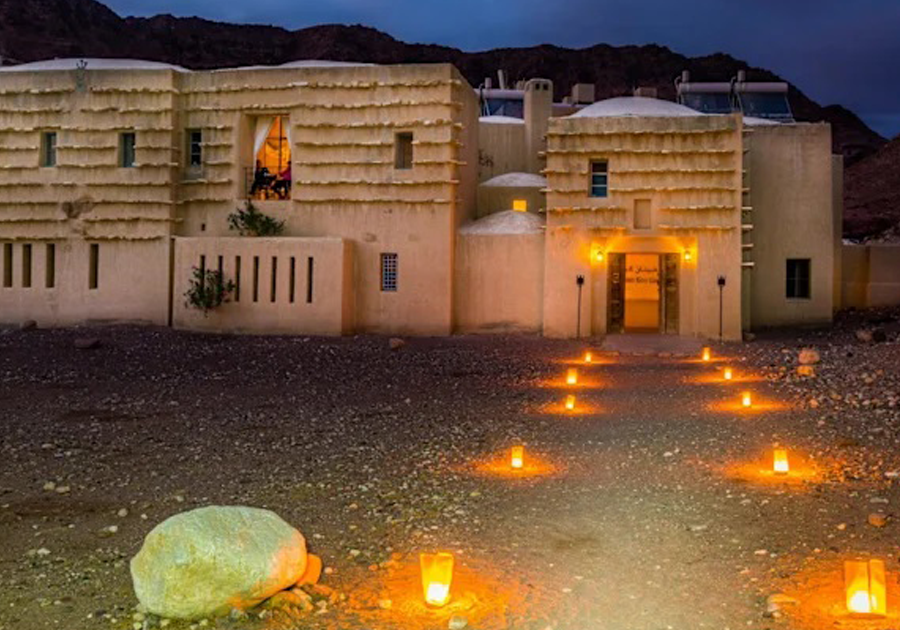
Days 7-8: Petra
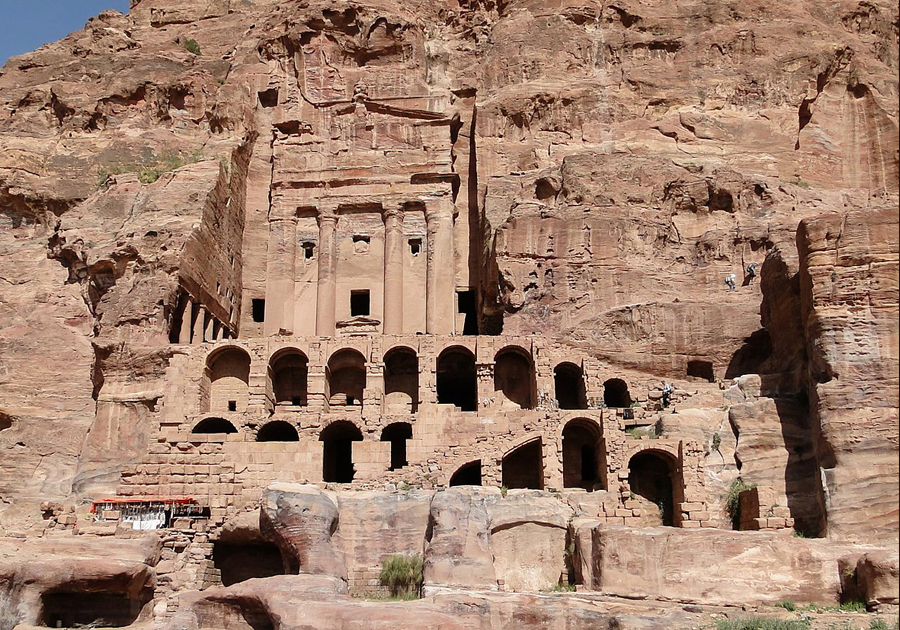
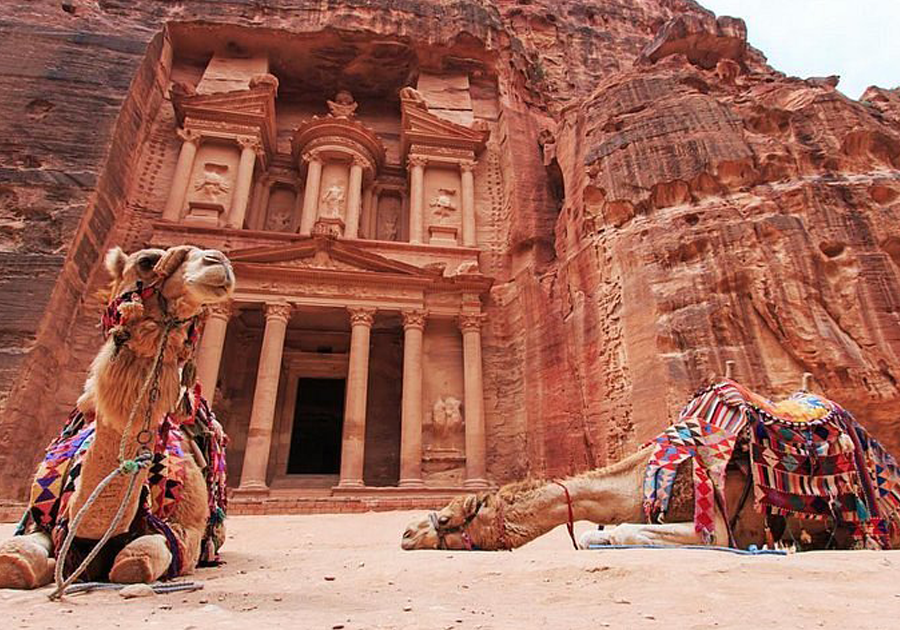
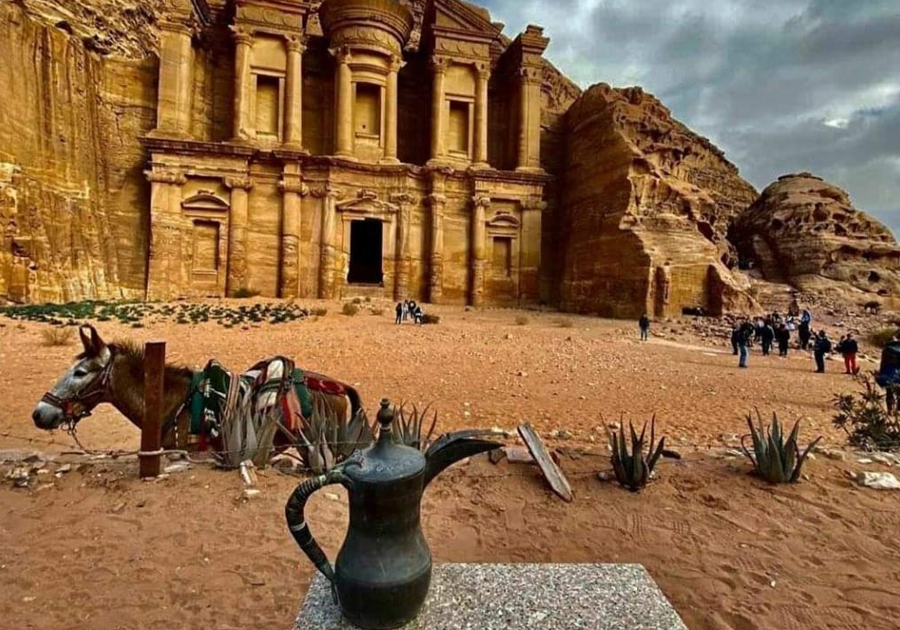
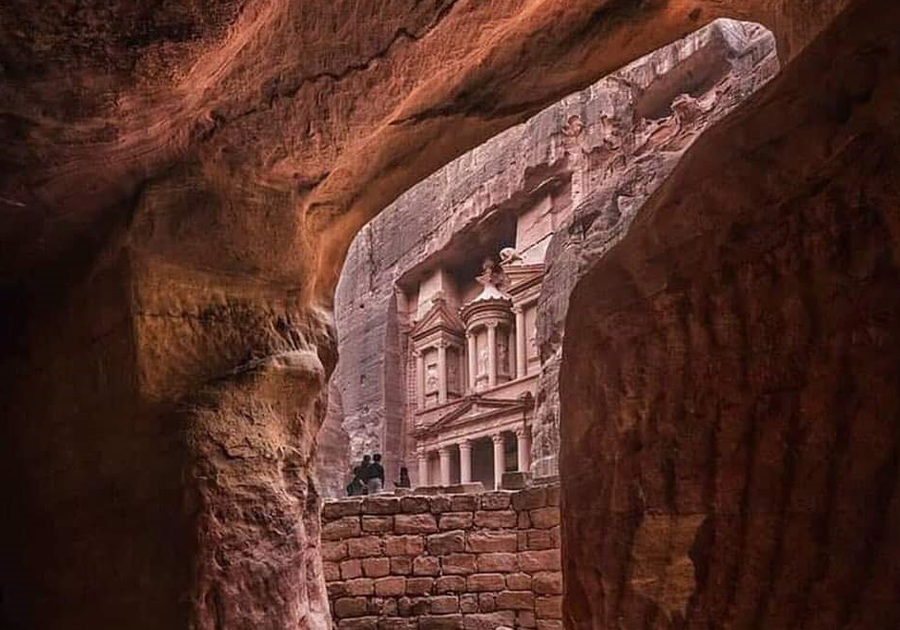
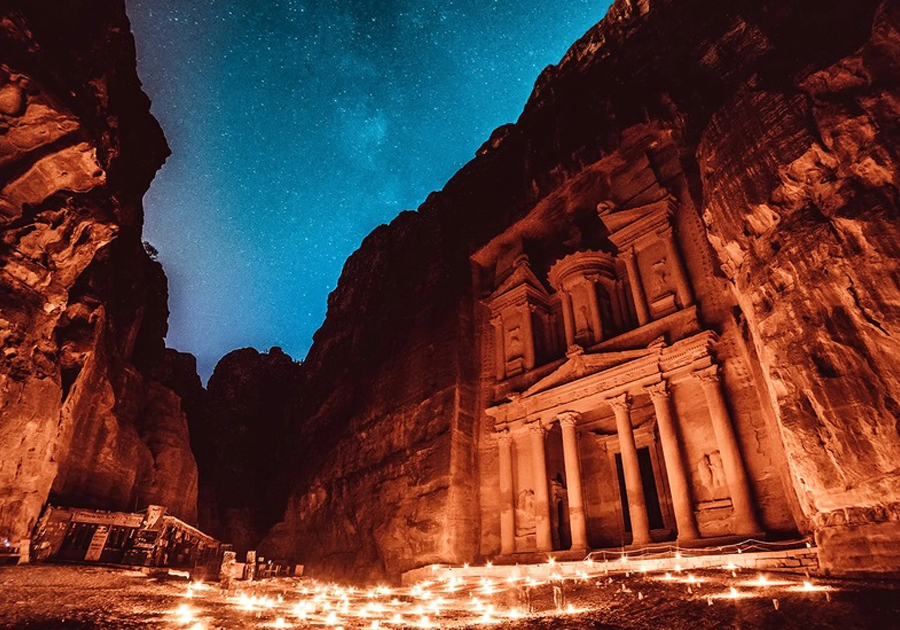
First Day: Petra guided tour including the Siq, Treasury, Street of Façade, Theatre, Royal Tombs, city center, Qasr al Bint Temple, museums (Al Habees and Archeological), and Al Deir Monastery.
Second Day: Visit the Siq, Treasury, High Place of Sacrifice, Lion Monument, Garden Temple Complex, Triclinium, Renaissance Tomb, Broken Pediment Tomb, and Roman Soldier Tomb.
Day 9: Petra - Wadi Rum
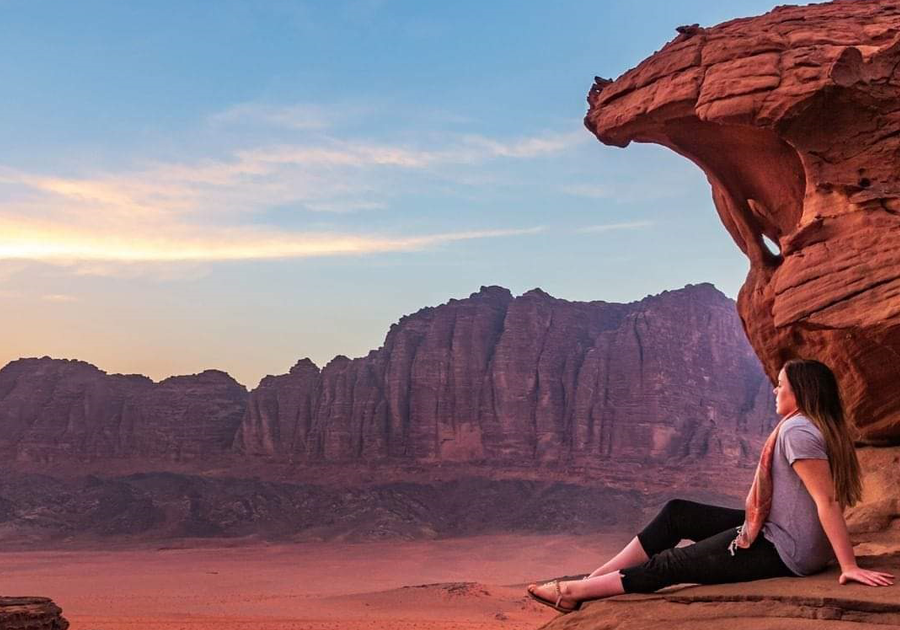
In the morning, depart from your hotel at any time you prefer and start a private jeep safari (about one and a half hours, possibly less) to Wadi Rum.
Pass the famous Seven Pillars of Wisdom described by Lawrence of Arabia. The guided jeep tour includes Lawrence of Arabia’s house and Thamudic and Nabatean inscriptions carved centuries ago.
Climb one of the natural rock bridges (optional camel ride).
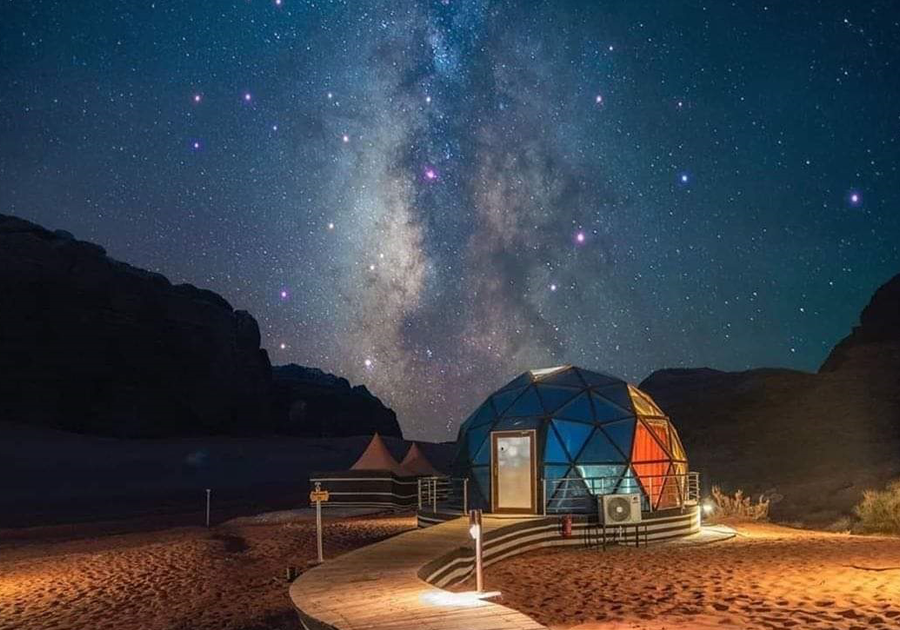
Evening at nomadic Bedouin tents in the middle of the desert to experience Bedouin life and enjoy Bedouin B.B.Q.
Overnight at Bedouin tents. The next day includes camel or horse activities, trekking, and hiking in Wadi Rum.
Days 10-11: Aqaba (Water Activities)
In the morning, travel to Aqaba and transfer directly to your hotel.
Free two days in Aqaba for water activities and relaxation.
Aqaba is a coastal town in the far south of Jordan and the country’s only seaport. It borders Eilat, Israel, with a border post where it is possible to cross between the two countries (Wadi Araba Crossing). Aqaba and Eilat sit at the head of the Gulf of Aqaba.
The town is best known as a diving and beach resort, while industrial activity also remains important, including exports of phosphate and shells.
Day 12: Aqaba - Dead Sea - Amman
In the morning, travel via Wadi Araba, where you will enjoy the sand dunes, and along the coastal border area between Jordan and Israel, where peace was signed in 1995.
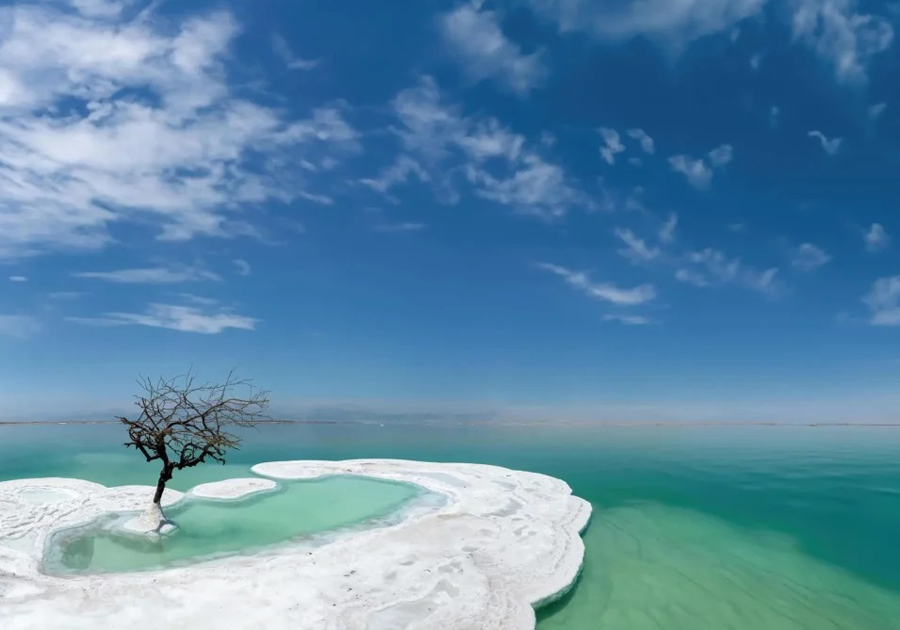
Arrive at the Dead Sea, the lowest point on earth, and enjoy free time for swimming, floating, and mud.
Late afternoon drive to Amman, check in at your hotel, dinner and overnight.
Day 13: Amman - Bethany - Dead Sea Panorama - Ma'in - Amman
After breakfast, transfer to Bethany, less than 2 km east of the Jordan River, an important place associated with Jesus and John the Baptist (pbuh), where John lived and baptized.
Bethany’s ancient remains include structures from the 1st century settlement of John the Baptist (pbuh), including large plastered pools with steps for full immersion, and 5th–6th century Byzantine remains of a settlement depicted on the 6th century Madaba Mosaic Map.
Continue to the Dead Sea Panorama for one of the best views over the Dead Sea and the mountains of Israel and the West Bank.
Drive down to Ma'in Spa (Hammamat Ma’in Hot Springs), located 264 m below sea level in a breathtaking desert oasis. Enjoy mineral-rich hyper-thermal waterfalls fed by winter rains, with water heated up to 63°C as it flows through underground lava fissures, feeding 109 hot and cold springs before emptying into the Zarqa River.
Free afternoon at leisure, then drive back to Amman.
Day 14: City Tour Of Amman
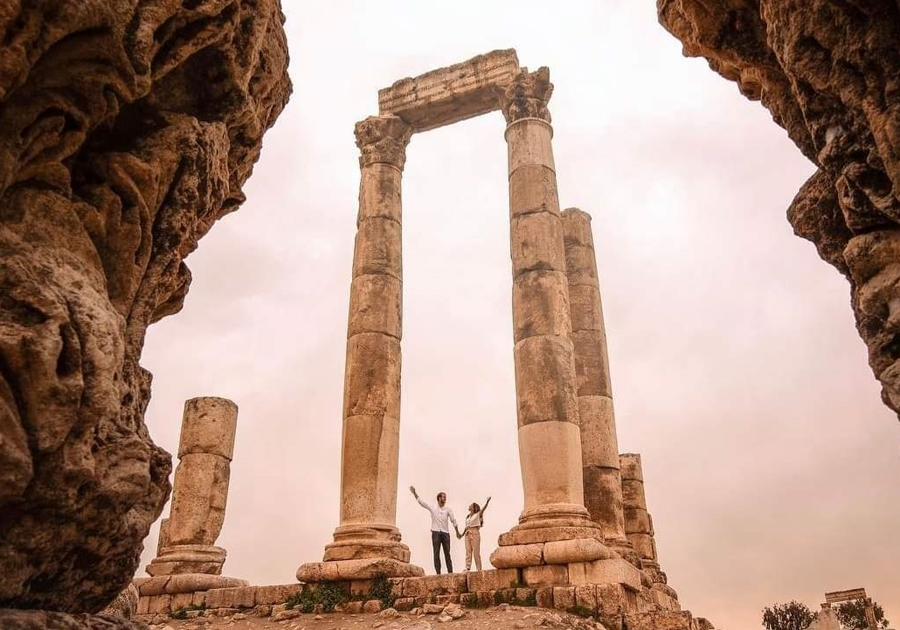
After breakfast, at any time you would like to start, your driver will take you to visit the Amman Citadel, the Roman theatre, the Suq (a typical Middle Eastern market), and the Archeological Museum.
Continue to new Amman (Abdoun and Swafih) for free time, then return to your hotel.
Day 15: Departure
Breakfast and checkout of hotel, followed by transfer to departure.
Included In Tour:
- Meet and assist upon arrival to airport by our representative
- Visa fee
- Entrance fees to all sites as per the above itinerary
- Transfer as per above itinerary in a private modern air-conditioned car with an English speaking driver (car is not at disposal after the day tour ends, your driver is not a guide)
- All accommodations hotels on HB basis (Dinner & Breakfast)
- Tour inside the desert of Wadi Rum in a 4×4 vehicle for 2 hours
Not Included In Tour:
- Lunches
- International airfare
- Tips
- Personal expenses
Book Tours Now :
Plan your trip with us