Culture
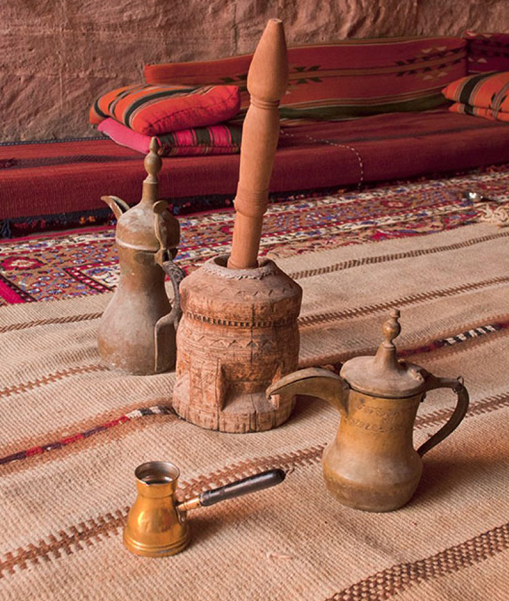
The culture of Jordan is a rich blend of ancient traditions, Arab heritage, and modern influences. Rooted in history and shaped by hospitality, respect, and community values, Jordanian culture offers visitors a warm and authentic experience.
Hospitality and Social Values
Hospitality is one of the most important aspects of Jordanian culture. Guests are welcomed with generosity, often offered Arabic coffee or tea as a sign of respect. Family ties are strong, and social life is centered around family gatherings, shared meals, and community relationships.
Traditions and Customs
Jordanian traditions are influenced by Bedouin heritage, Islamic values, and regional customs. Respect for elders, modest behavior, and polite greetings are deeply valued. Handshakes are common, and it is customary to greet people warmly before starting a conversation.
Traditional Clothing
While modern clothing is widely worn, traditional dress is still seen during celebrations and cultural events. Men may wear the dishdasha or thobe with a red-and-white or black-and-white keffiyeh, while women may wear embroidered dresses known as thobes, reflecting regional patterns and history.
Food and Culinary Culture
Jordanian cuisine is an essential part of the culture. Meals are often shared, symbolizing unity and generosity.
Popular traditional dishes include:
- Mansaf (Jordan’s national dish)
- Maqluba
- Musakhan
- Falafel, hummus, and shawarma
Eating together is considered a social experience, and guests are encouraged to eat generously.
Music, Dance, and Celebrations
Traditional music and dance play an important role in Jordanian culture. The Dabke dance is commonly performed at weddings and celebrations, accompanied by rhythmic music and poetry. Weddings are joyful, multi-day events filled with music, dancing, and community participation.
Religion and Daily Life
Islam is the predominant religion in Jordan, with Christianity also forming an important part of the country’s history and society. Religious tolerance is a key feature of Jordanian culture, and people of different faiths live together peacefully.
Art and Handicrafts
Jordan is known for its traditional crafts, including pottery, mosaic art, weaving, and embroidery. These crafts reflect the country’s heritage and are commonly found in local markets and cultural centers.
Modern Jordanian Society
Jordan balances tradition with modern life. In cities like Amman, visitors will find contemporary art, cafés, universities, and a young, dynamic population, while rural areas preserve traditional ways of life.
Cultural Etiquette for Visitors
- Dress modestly, especially in religious and rural areas
- Ask permission before taking photos of people
- Accept hospitality graciously, as it is an important cultural value
A Culture of Warmth and Respect
Jordanian culture is defined by warmth, dignity, and deep respect for guests. Understanding and appreciating these cultural values allows visitors to connect more deeply with the people and enjoy a truly memorable experience in Jordan.
Plan your trip with us